
Loading...
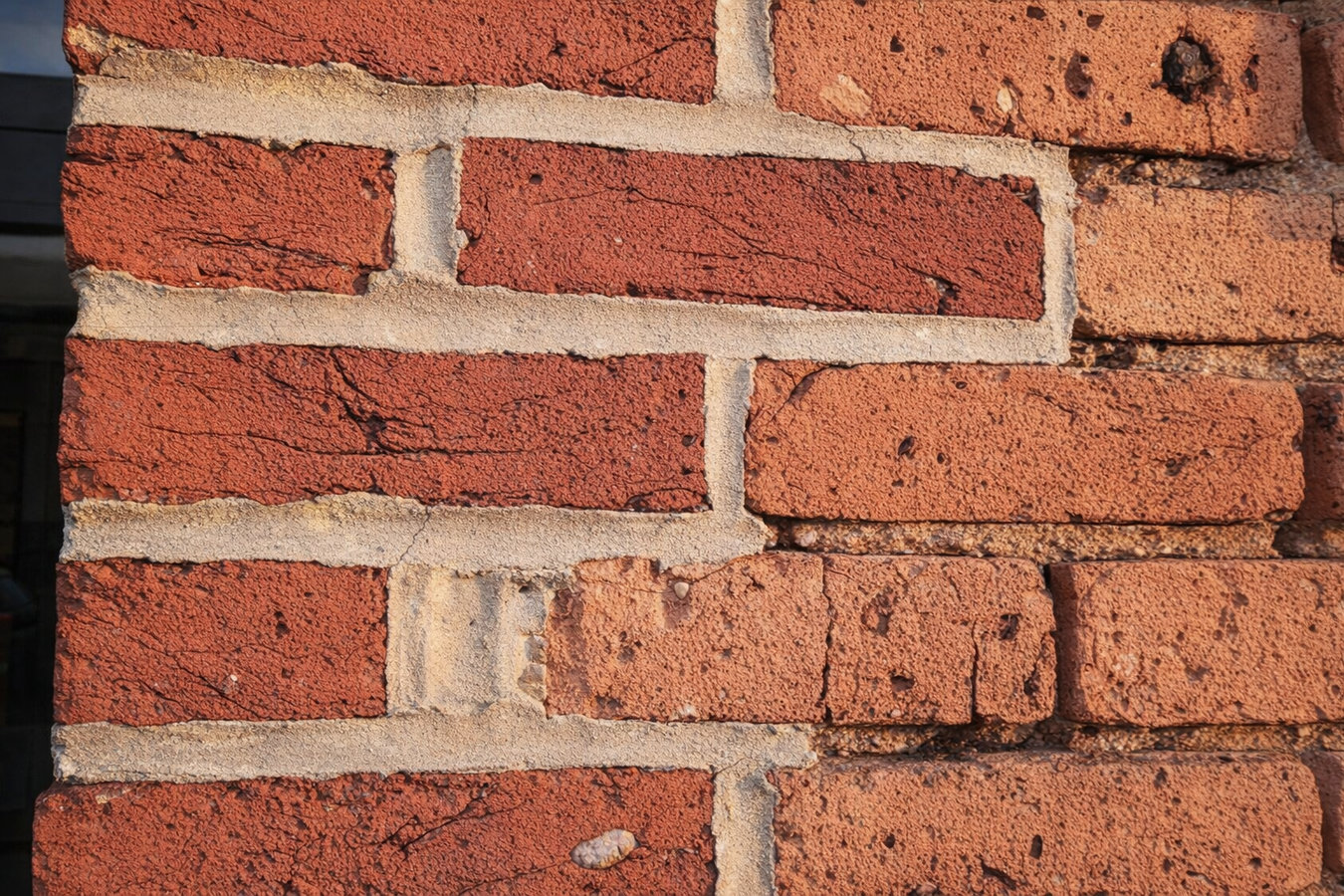
Crumbling mortar and recurring cracks don't fix themselves. We repair brick and stone structures the right way so you stop patching the same problem every year.
Masonry restoration in Edinburg covers repairing, cleaning, and stabilizing brick, stone, or concrete block surfaces damaged by age, moisture, or soil movement - most residential jobs are finished in one to three days depending on the scope and extent of the damage.
If you own a home in Edinburg, TX built before 2000, there is a good chance the mortar joints are past their useful life. South Texas heat and the expansive clay soil in Hidalgo County accelerate breakdown faster than in most other parts of the country. When you see gaps between bricks, white staining on the wall surface, or cracks that keep returning, those are signs the masonry needs more than a coat of paint. Many of the same homes also need tuckpointing, which addresses deteriorated mortar joints before the damage reaches the bricks themselves.
We work on brick walls, stone facades, concrete block structures, retaining walls, and chimneys across Edinburg and the surrounding Rio Grande Valley. Every job starts with a thorough look at what is driving the damage - not just what is visible on the surface.
Run a finger along the lines between your bricks. If the mortar crumbles, feels soft, or has visible gaps, it is no longer sealing the wall. Water gets into those spaces quickly, especially during Edinburg's heavy rain events, and the damage spreads faster than most homeowners expect.
A crack that reopens after being patched is a sign the underlying cause - usually the expansive clay soil that is common across Hidalgo County - was never addressed. The ground here swells and shrinks with the rain cycles, and that movement will keep splitting the same joint until drainage and soil conditions are looked at alongside the repair.
That white, powdery residue is called efflorescence. It forms when moisture moves through the masonry and deposits minerals on the surface. In Edinburg, it commonly appears after humid late-summer months or following an intense rain event. It tells you water is getting in somewhere - and the entry point needs to be found and closed.
Tap a few bricks with your knuckle. A healthy brick sounds dense; a damaged one sounds hollow or dull. Spalling - where layers of the brick face chip or flake off - is common in South Texas because of the rapid heat-cool cycles bricks go through each year. When the brick itself is failing, not just the mortar, replacement becomes necessary.
Our masonry restoration work covers the full range of repairs that brick and stone structures need over time. The most common job we handle is mortar joint repair - removing deteriorated material and packing in fresh mortar that matches the existing color and texture. For walls where individual bricks have been damaged by heat cycling or water intrusion, we replace the affected units and blend the repair into the surrounding surface. When restoration work is complete, we also offer fireplace installation for homeowners who want to add a masonry feature while we are already working on the property.
Larger restoration projects often involve cleaning efflorescence from the wall surface, addressing the drainage conditions around the base of the structure, and applying a water-repellent sealer to slow future moisture intrusion. For structural walls and facades with significant damage, we also work alongside stone masonry repairs when the original material was stone or a mix of stone and brick. Every project gets a written estimate before work begins - no surprises on the bill.
Best for walls where the bricks are sound but the mortar between them has crumbled or pulled away from the surface.
Suited for sections where individual units have cracked, spalled, or separated and cannot be salvaged with mortar repair alone.
Right for homeowners seeing white staining on exterior walls after rain or humidity spikes, especially common in South Texas.
Designed for walls with stress fractures caused by soil movement - addresses the pattern of damage, not just the visible crack.
Edinburg and the surrounding Hidalgo County sit on heavy clay soil that expands when it rains and contracts during the dry spells that are common across the Rio Grande Valley. That constant movement puts stress on masonry walls, retaining structures, and exterior brick that most homeowners do not think about until a crack appears. Combine that with summer temperatures that regularly push past 100 degrees Fahrenheit and UV exposure that accelerates mortar breakdown, and you have conditions that wear out masonry faster here than in most of Texas. The best time to schedule restoration work is between November and March, when temperatures allow mortar to cure at the right pace. Homeowners in Weslaco, TX and across the valley deal with the same soil and climate pressures.
Many homes in central and older Edinburg neighborhoods were built in the 1960s through the 1990s using brick or concrete block construction. The mortar from that era has a natural lifespan, and much of it is now past the point where it needs attention. After a heavy rain event - the kind that drops several inches in a short time - water gets forced into even small gaps under pressure, and interior wall damage often shows up days later. We serve homeowners throughout Edinburg and McAllen, TX, and we know exactly what these structures go through year after year.
Describe what you are seeing in plain language - no technical terms needed. We respond within one business day and schedule a site visit at a time that works for you.
We walk the area with you, look at the damage, and check for drainage or soil issues that may be driving the problem. You get a written estimate that breaks down what will be done - not just a single number.
The crew removes damaged mortar or bricks, cleans the area, and applies fresh material in layers. In Edinburg's summer heat, crews start early in the morning to protect the repair during curing. Expect some grinding or chiseling noise - it is normal and temporary.
When the job is complete, we walk the finished work with you and explain what was done and what to watch for going forward. Fresh mortar needs 24 to 72 hours before it can get wet, and several weeks to reach full strength.
Free on-site estimate. Written quote before any work begins. No pressure.
(956) 957-0178We check drainage and soil conditions around every wall before recommending a repair approach. That extra step is why our repairs hold through multiple rain seasons instead of reopening at the first dry spell.
We test a sample area and let it cure before committing to the full repair, because mortar color shifts as it dries. On older Edinburg homes where the original mortar has faded over decades, getting the match right takes care - and we take that care on every job.
We have been working on homes in Edinburg and across Hidalgo County long enough to know which neighborhoods have the worst clay soil movement, which building eras used which mortar types, and what local conditions do to masonry over time.
Our repair methods follow guidelines from the Brick Industry Association and the Mason Contractors Association of America. That means mortar selection, joint depth, and curing practices are done correctly - not just quickly.
Every masonry restoration project we take on in Edinburg gets the same attention we would give our own property. When the job is done, we walk it with you so you know exactly what was repaired and what to keep an eye on going forward.
Add a gas or masonry fireplace to your home or covered patio while restoration work is already underway.
Learn MoreCustom stonework for walls, facades, and accent features that complement restored brick structures.
Learn MoreDamage that looks minor now gets worse fast once water gets in. Call today for a free on-site estimate - we respond within one business day.